

Three Observations from a Millwork Geek
A Call of Creativity

My book on Historic Millwork 1740–1950 came out last year, and I’m just finishing my book tour, with three more stops scheduled for the fall: Houston, Kansas City, and Philly. My hope for this book is that, by studying the past, we can gain inspiration to build better and more beautifully. There are three great lessons that stand out to me, one of which makes a huge difference.
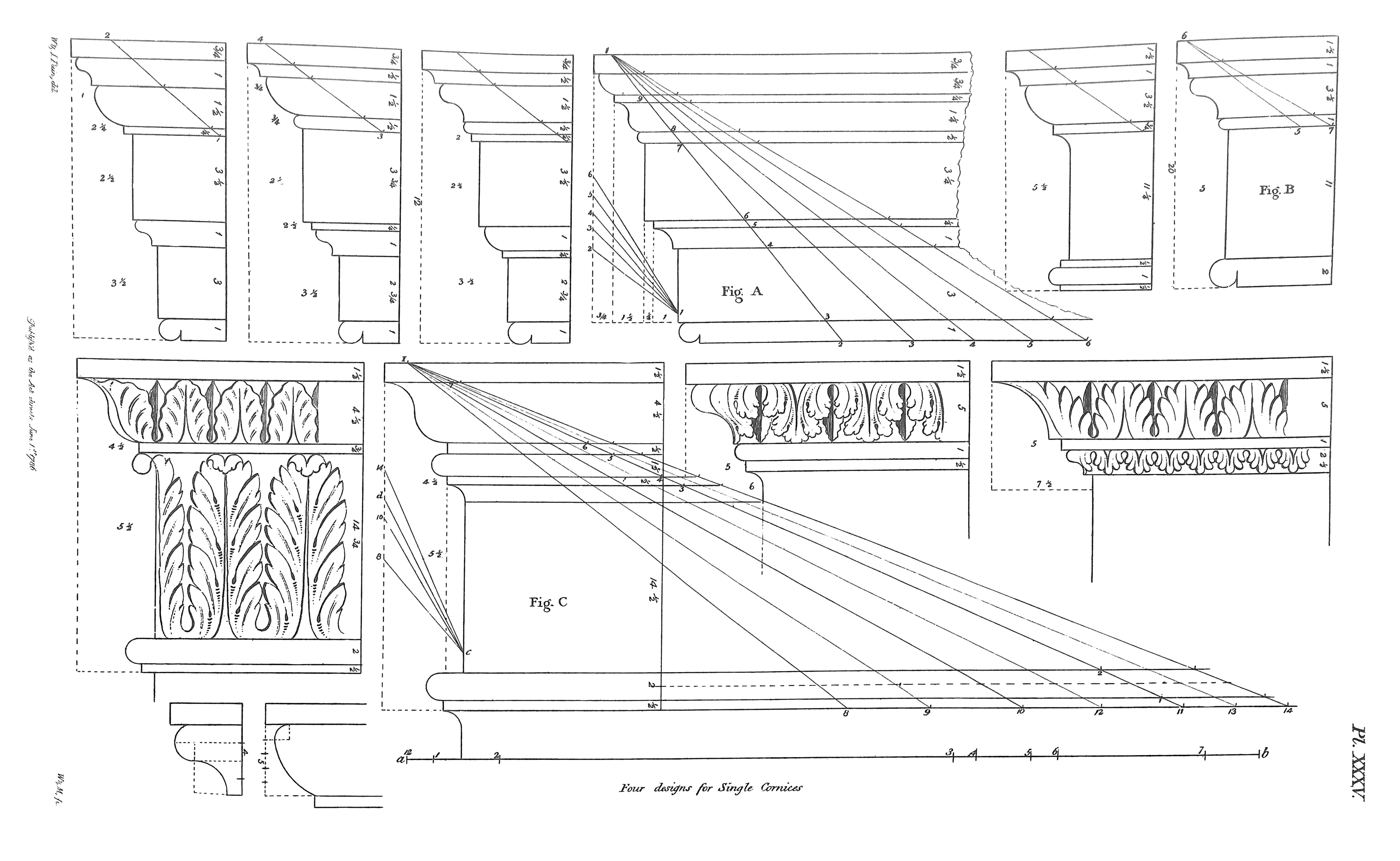
I suspect most people don’t think about it, but every facet of how we build has changed dramatically over the last 200 years. Historically, before 1840, builders thought a great deal about proportions and how all the moldings in a room related to one another. Today, many people think of moldings as randomly shaped pieces of wood that are often expensive. There are molding charts, like this one from William Paine in 1786, that helped builders craft the properly sized moldings in a room. Certainly, this is a lost skill.
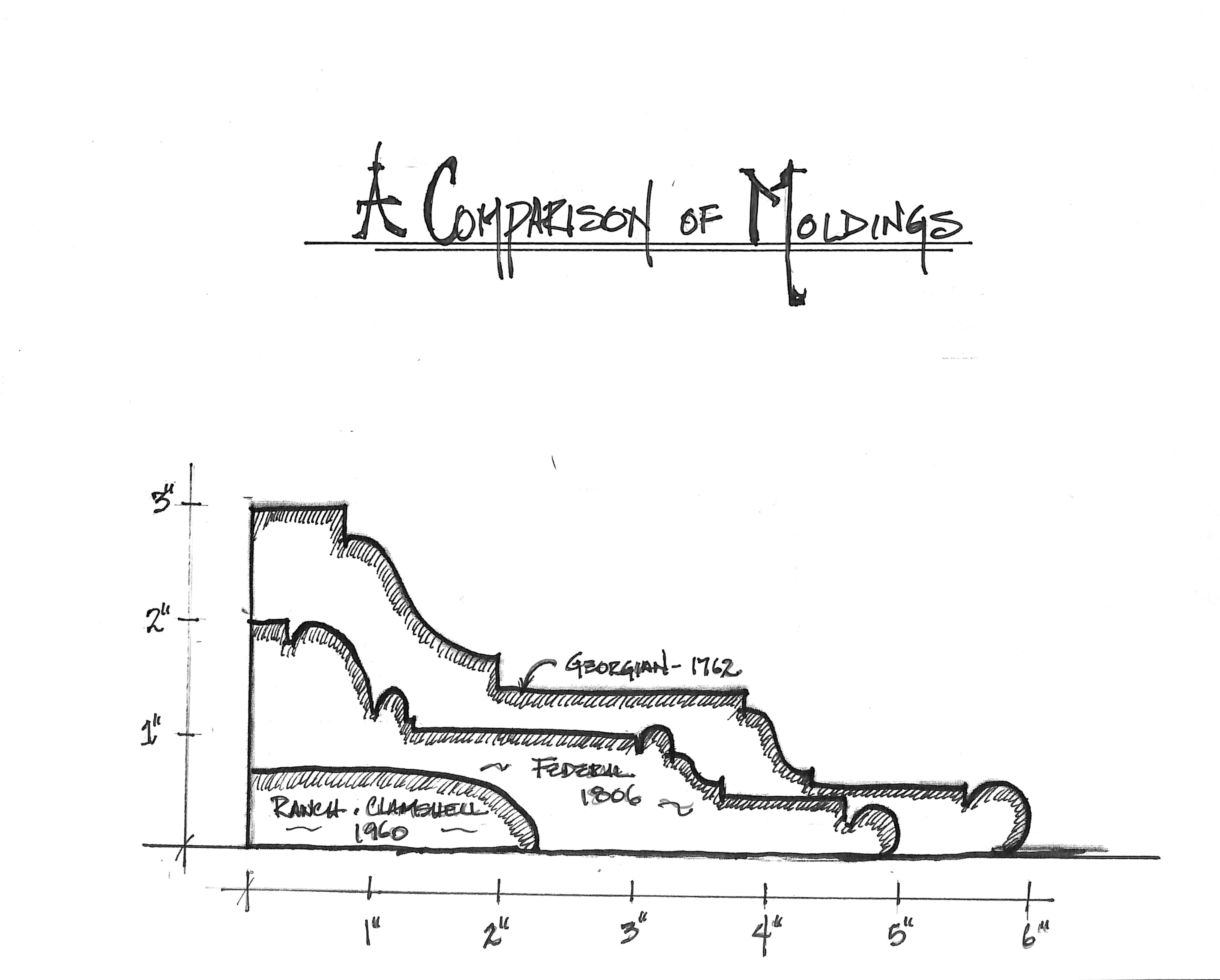
Studying the past, we see the builder/architect heavily involved in molding design. One problem for us today is that moldings are considered an unimportant commodity, best left to the homeowner’s discretion. Like many things, I think molding design changed after WWII. I did a YouTube video on why not to use moldings designed after 1950.
The main reason starts with the two words “clam shell.” The clam shell molding of the 1950s is the antithesis of classical design and expresses the minimalism and fear of the traditional. We need to remember that moldings are integral to good design.
Bookcases, as well, are an indicator of the changes that have taken place in building. Here are three from three uniquely different periods of time.
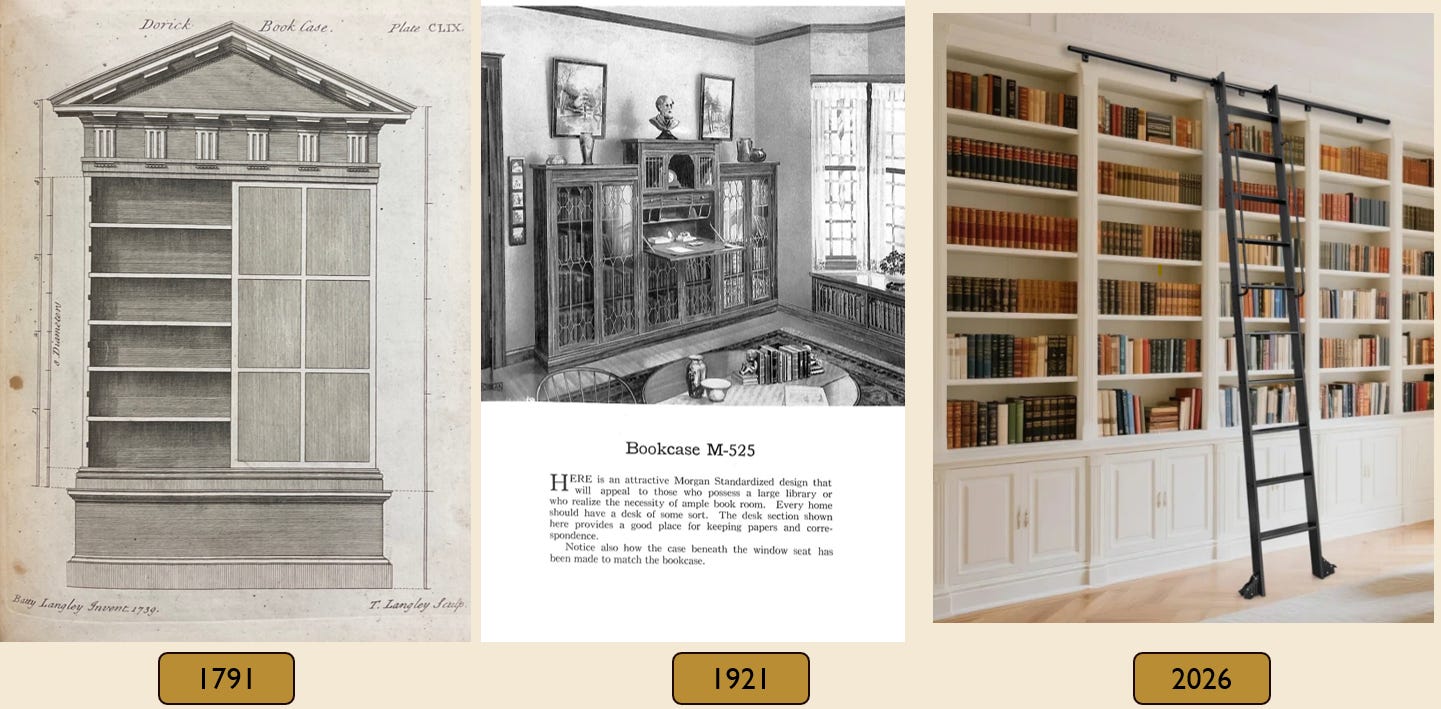
Note that the 1791 Doric Bookcase in a Batty Langley pattern book has no precedent (that I can find) in America. I have seen this type of bookcase in London, but not in North America. Part of the reason for the few bookcases in America is that books were expensive in the 18th century, and people owned few of them. Only the wealthy would have libraries and, thus, bookcases. The current ubiquitous bookcases we build today are clearly not what we built a hundred years ago. I would venture that this current form of bookcase is an invention of the last 50 years. The great thing about these examples is that they can inspire us to think outside the box and begin to create better solutions.
The final key lesson, and maybe the most important, is the wood quality issue. It is the least understood and yet the biggest culprit in why wood doors and windows fail in less than 20 years. We are making windows and doors out of woods that are proven to fail. We continue to choose them, I can only assume because of price, and yet we expect a different outcome.
Then we decide wood no longer works, and we are switching to faux woods, plastics, and fiberglass in a vain effort to achieve longevity. The oldest and longest-lasting doors in America are all wood. They are centuries old, and yet we conclude that plastic will work better. Good wood is still available, and good building practices can ensure our new wood doors and windows will last.
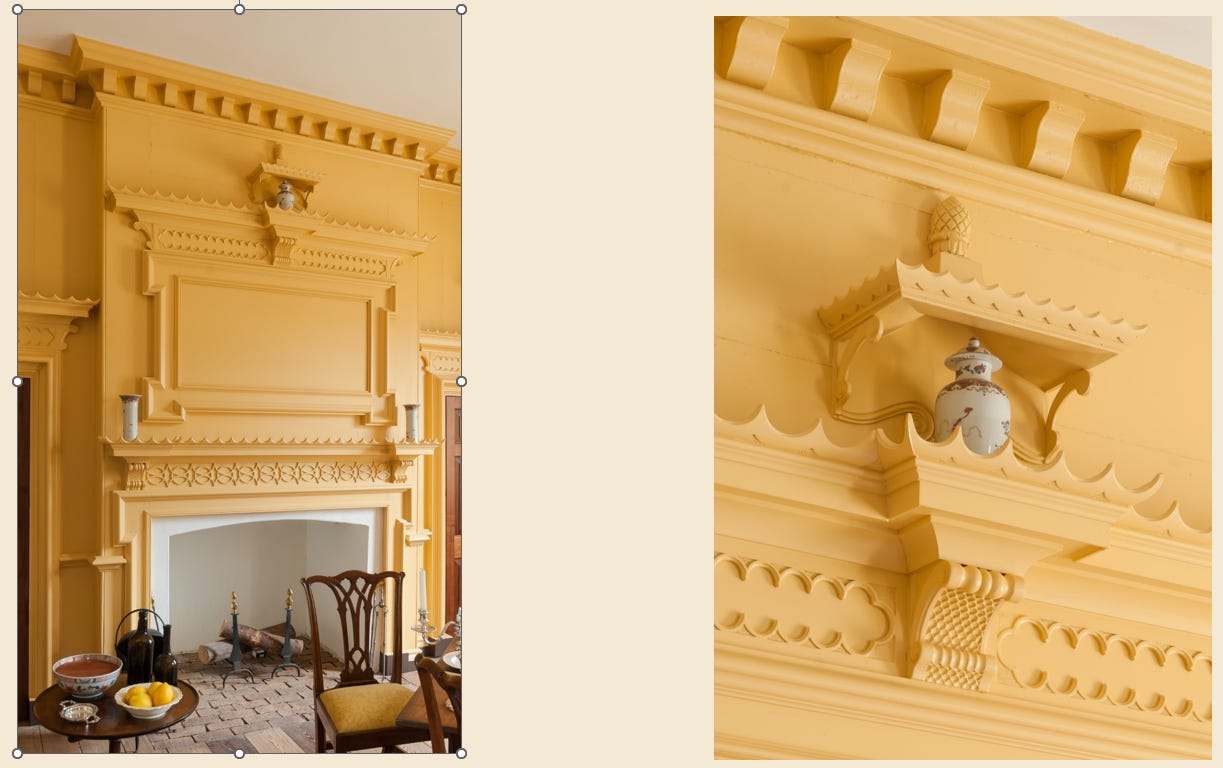
Historic millwork is rich, definitive, and sexy. Millwork is the most definitive product we can put in our homes. Meaning, it has the power to tell stories, communicate, and define style. No other product we put in our homes has that power. Sadly, we are using industrialized moldings, doors, and cabinets that all look the same. Studying the past can provide amazing inspiration and ingenuity, if we will only look.
When will you be in Philly? Can you tell me where I can get tickets if necessary?
Great insight Mr. Hull. Your attention to detail inspires me to hold myself to a higher standard of design.